What Is Embedded Finance?
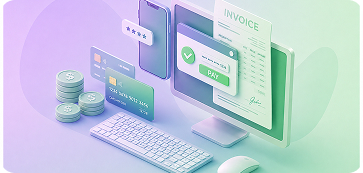
Embedded finance is the seamless integration of banking services—like payments, loans, or insurance—directly into non-financial apps and websites.
Instead of redirecting customers to a traditional bank or a third-party payment gate, businesses use APIs (Application Programming Interfaces) to "plug" these financial tools right into their existing platforms. This keeps users inside the app they are already using, making transactions smooth and frictionless.
Real-World Examples
You likely use embedded finance every day without even realizing it:
- Ride-sharing: Paying for your Uber or Lyft automatically inside the app when your trip ends.
- Travel booking: Adding travel insurance to your cart with a single click while buying a flight.
- E-commerce: Splitting a purchase into monthly instalments using "Buy Now, Pay Later" at checkout.
By blending finance into everyday digital activities, businesses can eliminate friction, boost sales, and keep users engaged longer.
Overcoming the limits of traditional checkout
Embedded finance addresses several significant barriers for both businesses and consumers:
- Operational and Financial Costs: It allows developers to launch financial products in weeks rather than the years by bypassing banking license requirements and custom infrastructure builds.
- Risk Mitigation: Offloads compliance and security risks by handling fraud, credit, and regulatory compliance on behalf of non-financial brands, removing the need for internal expertise.
- Friction in the Customer Journey: It eliminates the need for "redirects" to external systems, which often cause high cart abandonment rates.
• Vendor Fragmentation: For small businesses, it unifies disconnected business tools—like standalone booking software and separate payment gateways—into a single, consolidated workflow.
- Credit Gaps: In sectors like B2B lending, it helps SMEs access credit that traditional banks might deny due to limited data, by using the platform's real-time transaction signals for underwriting.
How Does Flocash enable Embedded Finance?
Operating on a "pull" model, Flocash delivers financial products exactly when they match a user's task. Here is how the technical process works:
- API Integration: A platform connects to Flocash’s infrastructure via APIs.
- Layered Infrastructure: Flocash supplies the regulated "rails," while the platform handles the user interface and presentation, so the experience feels native.
- Facilitation Models: The platform is setup to use Flocash’s automated Know Your Customer (KYC) identity checks and user registration workflow to control onboarding and fees.
- Data-Driven Workflows: For services like lending, the platform shares real-time signals (e.g., sales volume or invoice history) with Flocash to power instant, automated underwriting and disbursement.
Top Businesses Winning with Embedded Finance
- E-Commerce Retailers
- Boosts sales by offering instant Buy Now, Pay Later (BNPL) credit.
- Reduces abandoned shopping baskets with frictionless one-click checkouts.
- SaaS and Software Platforms
- Increases software subscription value by adding payment processing tools.
- Earns recurring revenue from transaction fees instead of just software fees.
- Gig Economy and Marketplace Platforms
- Retains drivers or couriers by giving them instant earnings payouts.
- Issues branded debit cards to workers to build brand loyalty.
- B2B Supply Chain Companies
- Speeds up cash flow between suppliers using automated trade financing.
- Extends flexible payment terms to business buyers during checkout.
The Value Drop
- For Businesses (Embedders): It creates "stickier" products by increasing customer touchpoints and loyalty. It also diversifies revenue through transaction fees, interest sharing, or commissions.
- For Consumers: It provides hyper-personalized and frictionless experiences, allowing them to access financial tools exactly when and where they need them.
- For Financial Institutions (Providers): It serves as a massive customer acquisition engine, with some leads costing 15 to 20 times less than traditional distribution channels.
- Economic Performance: Merchants using embedded lending have seen checkout conversions increase by 20–30% and basket sizes grow significantly.
How to Launch in 3 Simple Steps with Flocash
-
Define Your Model
o Decide whether to integrate Flocash's Embedded Payment platform to distribute digital wallets, accept payments, or for bespoke Buy Now, Pay Later (BNPL) lending.
-
Integrate your platform
o To start implementing, simply create a developer account to access the Flocash embedded payment API and automated KYC onboarding and risk assessment tools.
-
Audit and Deploy Modules
o Certify your integration by securing your live API credentials to officially deploy the system. Your platform can then seamlessly process native payments, support popular digital wallets, and manage lending features without ever redirecting users away from your site.